Elevating Digital Design with Easter Watercolor Overlay Photoshop Techniques
In the evolving landscape of digital graphic design, the fusion of traditional artistic textures with modern software capabilities has created a unique niche for creators. Among the most sought-after resources are watercolor overlays, which allow designers to infuse their work with organic warmth and hand-painted charm. Specifically, the Easter Watercolor Overlay Photoshop collection represents a significant toolset for professionals and hobbyists alike who wish to enhance their visual storytelling during the spring season. This comprehensive guide explores the technical nuances, creative applications, and practical workflows associated with utilizing these high-resolution assets effectively.
The Artistic Value of Watercolor Textures in Digital Media
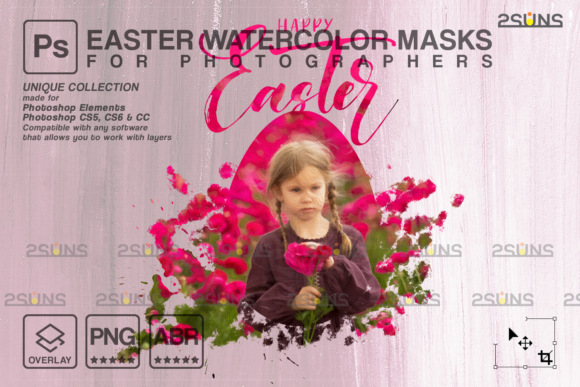
Watercolor art is characterized by its fluidity, transparency, and unpredictable beauty. Replicating these qualities digitally can be challenging, often requiring hours of manual brushwork. However, using pre-made overlays simplifies this process without sacrificing authenticity. An Easter Watercolor overlay Photoshop asset typically includes soft washes of pastel colors, floral motifs, and abstract splatters that mimic the behavior of real pigment on paper. When applied correctly, these elements add depth and tactile quality to otherwise flat digital compositions.
The primary advantage of using such overlays lies in their versatility. They are not limited to holiday-specific designs. While themed around Easter, the soft pinks, blues, yellows, and greens inherent in these packs are universally applicable to spring campaigns, wedding invitations, baby announcements, and lifestyle branding. The organic nature of watercolor helps soften harsh digital lines, creating a more inviting and human-centric aesthetic that resonates with contemporary audiences.
Technical Specifications and Compatibility
Understanding the file formats included in a professional design bundle is crucial for seamless integration into your workflow. A typical high-quality set, such as the one featuring 11 PNGs, 1 ABR, and 1 JPEG at 300 DPI, offers multiple avenues for creativity. The resolution of 300 DPI (dots per inch) ensures that the images remain crisp and detailed even when printed on physical media, making them suitable for both web and print projects.
The Role of PNG Files and Transparency
The inclusion of 11 PNG (Portable Network Graphics) files is particularly significant. PNGs support alpha channels, meaning they retain transparency. This allows designers to place the watercolor elements directly over photographs or solid backgrounds without visible rectangular borders. For users of software like Photoshop Elements, Paint Shop Pro, or PicMonkey’s Photo Editor, these files are drag-and-drop ready. The transparency ensures that the underlying image remains visible through the lighter areas of the watercolor, creating a natural blending effect.
Utilizing ABR Brushes for Customization
The single ABR (Adobe Brush) file included in the set expands creative possibilities beyond static images. Watercolor brushes allow users to paint their own textures directly onto the canvas. This is ideal for adding subtle accents, extending existing patterns, or creating custom borders that match the specific composition of a project. By adjusting opacity, flow, and size dynamics within Photoshop, designers can achieve a level of customization that static overlays cannot provide.
JPEGs and Universal Access
While PNGs are preferred for layering, the included JPEG serves as a universal backup. Although it lacks transparency, it can be used in software that does not support layered editing or for quick mockups. It ensures that even users with basic image viewers can access the visual style of the pack, albeit with limited editing flexibility.
Workflow Integration: Clipping Masks and Layer Management
To fully leverage the potential of an Easter Watercolor Overlay Photoshop kit, one must master non-destructive editing techniques. The most powerful method for integrating these overlays is through the use of Photoshop clipping masks. This technique allows the texture of the watercolor to be confined strictly to the shape of the layer beneath it, such as text, a logo, or a specific object in a photograph.
For instance, if you are designing a Mother’s Day card, you might place a bold typography layer on the canvas. By placing the watercolor overlay above the text layer and creating a clipping mask, the paint appears to exist only within the letters. This creates a sophisticated, high-end look that suggests the text was painted by hand. This method preserves the original integrity of both the text and the overlay, allowing for endless adjustments without permanent changes to the pixels.
Software Considerations for Layer-Based Editing
It is essential to note that working with overlays requires software capable of handling layers. While Adobe Photoshop is the industry standard, alternatives like GIMP, Affinity Photo, and Corel Painter also support these workflows. However, users of Lightroom should exercise caution. Lightroom is primarily a photo management and color grading tool, not a layer-based compositor. As noted in technical specifications, Lightroom users must ensure they have a specialized plugin that allows for layer manipulation, or they should export their images to Photoshop for the overlay application. Attempting to force layer-based workflows in non-compatible software often results in flattened, low-quality images where the overlay obscures the subject rather than enhancing it.
Creative Applications Beyond Easter
While the thematic focus may be Easter, the utility of these assets extends far beyond a single holiday. The soft, nurturing tones of watercolor are perfectly suited for Maternity overlay projects. Expectant mothers often seek gentle, dreamy aesthetics for announcement cards and nursery decor. By combining a maternity photograph with a subtle watercolor wash, designers can evoke feelings of warmth, love, and anticipation. The organic edges of the watercolor complement the softness of newborn photography, creating a cohesive visual narrative.
Similarly, these assets are invaluable for Mother’s Day promotions. Retailers and content creators can use the floral and pastel elements to frame product shots, create social media graphics, or design email headers. The emotional connection associated with watercolor—often linked to handmade care and personal touch—aligns perfectly with the sentiment of the holiday.
Frame PNGs and Compositional Structure
Including a Frame PNG in the design toolkit provides a structural anchor for complex compositions. Frames help direct the viewer’s eye toward the focal point, whether it is a family portrait or a product display. When combined with watercolor splashes, a frame can appear to be breaking out of its boundaries, adding dynamic energy to the layout. This technique is particularly effective in magazine layouts and website banners where capturing attention quickly is paramount.
Best Practices for High-Quality Results
To ensure professional outcomes, several best practices should be observed when using Easter Watercolor Overlay Photoshop resources. First, always work on a duplicate layer of your original image. This preserves the source material and allows for easy reverts if the effect becomes too heavy. Second, experiment with blending modes. Modes such as "Multiply," "Screen," "Overlay," and "Soft Light" interact differently with the underlying colors. "Multiply" tends to darken and enrich, while "Screen" lightens and creates a glowing effect. Finding the right mode is key to achieving a natural look.
Additionally, pay attention to color harmony. If the watercolor overlay contains strong pink tones, ensure that the underlying photograph or background complements these hues. Clashing colors can distract from the message and reduce the overall aesthetic appeal. Using adjustment layers to tweak the hue and saturation of the overlay can help it integrate more seamlessly with the rest of the design.
Conclusion
The integration of Easter Watercolor Overlay Photoshop elements into digital design workflows offers a bridge between traditional artistry and modern efficiency. By understanding the technical requirements—such as the need for layer-compatible software and the benefits of 300 DPI resolution—creators can unlock the full potential of these assets. Whether used for seasonal marketing, personal keepsakes like maternity announcements, or commercial branding, watercolor overlays provide a versatile, emotionally resonant tool for visual communication. As digital tools continue to evolve, the demand for authentic, human-touch aesthetics remains strong, making these resources an indispensable part of the contemporary designer’s toolkit.