Unlocking Creative Potential with a Large Bundle of Hand-drawn Stars
In the expansive world of digital design and physical crafting, finding assets that bridge the gap between professional polish and authentic human touch can be a challenge. Designers, educators, and hobbyists alike often seek resources that offer versatility without sacrificing character. This is where a large bundle of hand-drawn stars becomes an invaluable resource. Unlike sterile, computer-generated geometric shapes, hand-drawn elements carry the warmth of organic imperfection, making them ideal for projects that require a personal, approachable, or whimsical aesthetic. Whether you are designing a brand identity, creating educational materials, or producing custom merchandise, these versatile graphics serve as a foundational tool for visual storytelling.
The Artistic Value of Organic Imperfection
The modern consumer and viewer are increasingly drawn to authenticity. In an era dominated by sleek, vector-perfect minimalism, there is a growing appreciation for the "human element" in design. A large bundle of hand-drawn stars offers this exact quality. Each star in such a collection typically features slight variations in line weight, curvature, and symmetry. These nuances are not flaws; rather, they are features that convey creativity and effort. When integrated into a design, they soften the overall look, making it feel more accessible and less corporate.
For professionals, understanding the psychological impact of these shapes is crucial. Stars are universally recognized symbols of excellence, magic, celebration, and guidance. By using hand-drawn versions, you retain the symbolic power of the star while adding a layer of nostalgia or playfulness. This makes them particularly effective for brands targeting families, children, or lifestyle markets where warmth and trust are paramount. The outline doodle style, in particular, provides a clean yet artistic framework that does not overwhelm surrounding text or imagery, allowing for seamless integration into complex layouts.
Versatility Across Physical Products
One of the most compelling advantages of acquiring a comprehensive collection of star illustrations is their adaptability across various physical mediums. The scalability and simplicity of outline designs make them perfect for printing on a wide array of products. Consider the potential applications in the retail and promotional sectors.
- Apparel and Accessories: Printed on products like t-shirts, bags, and hoodies, these stars can create trendy, minimalist patterns or stand alone as bold central graphics. The hand-drawn aesthetic appeals to the current fashion trend favoring artisanal and unique designs over mass-produced looks.
- Hard Goods: The durability of the design translates well to harder surfaces. Skateboards and helmets benefit from graphics that can withstand visual wear while maintaining their artistic integrity. A cluster of stars can wrap around the curve of a helmet or deck, providing a dynamic visual flow that static images often lack.
- Home Decor: Pillows, mugs, and towels are excellent canvases for these motifs. For home decor, the stars can be arranged in constellations or scattered randomly to create a cozy, dreamy atmosphere. The ability to print them in monochrome allows them to fit into various interior design schemes, from Scandinavian minimalism to bohemian eclectic styles.
When utilizing these assets for physical products, it is essential to consider the resolution and format. High-quality bundles usually provide vector files or high-resolution raster images, ensuring that the lines remain crisp whether printed on a small mug or a large banner. This technical reliability ensures that the artistic intent is preserved in the final manufactured product.
Crafting and Ornamental Applications
Beyond printing, these digital assets serve as precise templates for physical crafting and fabrication. Makers and artisans frequently use digital designs as guides for cutting materials such as wood, plastic, and paper. The clear outlines of hand-drawn stars provide an excellent path for laser cutters, CNC machines, or even manual scroll saws.
For example, wooden stars cut from these templates can be used as holiday ornaments, wedding decorations, or nursery mobile components. The irregularities in the hand-drawn lines add character to the wooden pieces, distinguishing them from perfectly symmetrical, machine-cut alternatives. Similarly, paper crafters can use these designs for scrapbooking, card making, and party decorations. The ability to scale the images without losing quality means that a single star design can be adapted for a tiny confetti piece or a large wall hanging.
Plastic and acrylic cuts are also popular for modern signage and jewelry. By importing the star outlines into cutting software, creators can produce layered effects, using different colors of acrylic to build depth. This multi-material approach highlights the flexibility of the initial digital asset, proving that a simple doodle can evolve into a sophisticated three-dimensional object.
Digital Customization and Color Theory
While the black-and-white outline format is charming on its own, the true power of a large bundle of hand-drawn stars lies in its customizability. Digital artists and designers can manipulate these files using industry-standard software like Adobe Illustrator or Photoshop. This opens up endless possibilities for color experimentation and stylistic adaptation.
For those who prefer traditional media, these prints can be colored with pencils, markers, or brushes. This hybrid approach—digital template, analog finishing—is popular in educational settings and therapeutic art practices. It allows users to engage directly with the design, adding their personal touch through color choices and shading techniques. Educators might use these sheets for classroom activities, teaching children about color theory, pattern recognition, and fine motor skills.
In a professional digital workflow, coloring these stars in Illustrator allows for the creation of cohesive brand palettes. Designers can fill the stars with solid colors, gradients, or textures to match specific campaign requirements. Because the lines are distinct and closed, filling them with color is straightforward, reducing the time spent on cleanup and editing. This efficiency is vital for agencies working under tight deadlines, enabling rapid prototyping of design concepts.
Branding, Stationery, and Pattern Design
Creating a unique visual identity often requires custom elements that set a brand apart from competitors. Use these to create your own logos, stationery, patterns, and more. A hand-drawn star can serve as a primary logo mark for a creative agency, a bakery, or a childcare center, conveying friendliness and creativity. When combined with typography, these stars can frame text, act as bullet points, or serve as decorative dividers in documents and websites.
Pattern design is another significant application. By repeating and rotating various stars from the bundle, designers can create seamless backgrounds for wallpaper, fabric, or digital interfaces. The variation in shape and size within a large bundle prevents the pattern from looking repetitive or mechanical. Instead, it creates a natural, organic rhythm that is pleasing to the eye. This is particularly useful for packaging design, where the unboxing experience is enhanced by thoughtful, detailed interior prints.
Stationery sets, including letterheads, envelopes, and business cards, benefit from the subtle elegance of these doodles. A small star in the corner of a business card can add a memorable touch without cluttering the design. For wedding invitations or event programs, these elements can be used to create borders or accentuate key information, adding a celebratory feel to the printed material.
Technical Considerations and Best Practices
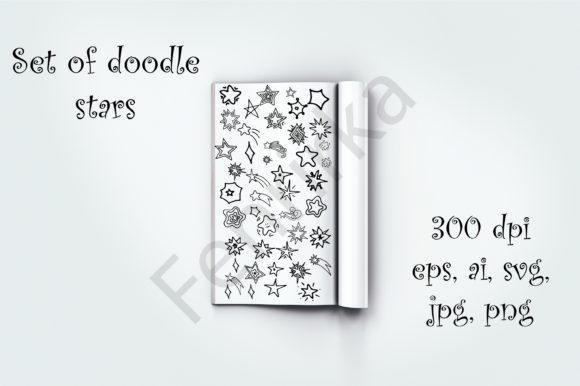
To maximize the utility of these assets, users should pay attention to file formats and licensing. Professional bundles typically include SVG, AI, EPS, and PNG files. Vector formats (SVG, AI, EPS) are essential for scaling and editing, while PNGs are useful for quick drag-and-drop applications in web design or social media graphics. Ensuring that watermarks will be removed upon purchase is critical for professional use, as it guarantees a clean, unobstructed final product.
When integrating these stars into larger compositions, consider the balance of negative space. Hand-drawn elements thrive when given room to breathe. Overcrowding a design with too many intricate doodles can reduce their impact. Instead, use them strategically to guide the viewer’s eye or to highlight specific areas of interest. Additionally, maintaining consistency in line weight across all elements in a design ensures a cohesive look, even if the stars themselves vary in shape.
Ultimately, a large bundle of hand-drawn stars is more than just a collection of clipart; it is a toolkit for creative expression. Its value lies in its ability to adapt to diverse mediums, from digital screens to wooden ornaments, and its capacity to evoke emotion through organic design. By understanding the various applications and technical best practices, creators can leverage these assets to enhance their projects, delivering results that are both visually appealing and deeply engaging. Whether for commercial product lines, educational tools, or personal artistic endeavors, these hand-drawn elements provide a reliable foundation for innovative design.